
Emotional Intelligence Training for Educators
TRANSFORMING LEARNING CULTURE
Emotional intelligence training for schools and youth programs
Build emotional safety, executive function, and trauma-informed, neurodiversity-affirming practice.
LEARN MOREEmotional intelligence training that makes learning spaces emotionally safe.
We help educators, after-school programs, and youth development leaders build the adult capacity that emotional safety depends on. Evidence-based, practical, and built for the realities of your program day.
The adult in the room comes first.
Who we work with
We work with after-school programs, K-12 schools, early childhood centers, and youth development organizations across the country. We deliver training in person or virtually, as single workshops or multi-session cohorts. We also provide consultation and coaching for teachers and program directors, supporting them as they put practical tools into daily practice in after-school programs and early childhood classrooms. Our training meets or supports state training requirements nationwide, with formal approval in New York State, where we are aligned with New York State OCFS School-Age Care regulations and Aspire registered.
Why it holds
Training fades when it lives in a binder. Our work is built to live in your routines: leadership development for directors, practical workshops for staff, and tools your people use the same week they learn them. We stay long enough for practice to become culture.
Safe to Thrive Community
A community for after-school and youth development professionals practicing emotional intelligence, emotional safety, trauma-informed practice, and neurodiversity-affirming support together.

Trauma-Informed Professional Development for After-School Programs
Trauma-informed, neurodiversity-affirming professional development for after-school staff. Build lasting emotional safety, executive function, and youth development practices.

Emotional Intelligence Leadership Training
Leadership training for directors and supervisors in after-school and youth development programs. Build emotional intelligence, emotional safety, and trauma-informed supervision.
Ideas by Youth | Youth Social Entrepreneurship Program
Ideas by Youth partners with Dignity of Children to take its project-based learning curricula beyond the classroom through social entrepreneurship, mentorship, and a community of young change-makers.
Why Emotional Intelligence is Key to Success?
In order for students to excel academically, they need an environment where they can express themselves emotionally, feel supported, and be engaged. Emotional intelligence helps educators:
- Build meaningful relationships with students
- Effectively manage challenging behaviors
- Foster a classroom culture of respect and empathy
- Increase student engagement and participation

What we build with you

Emotional safety and trauma-informed practice.
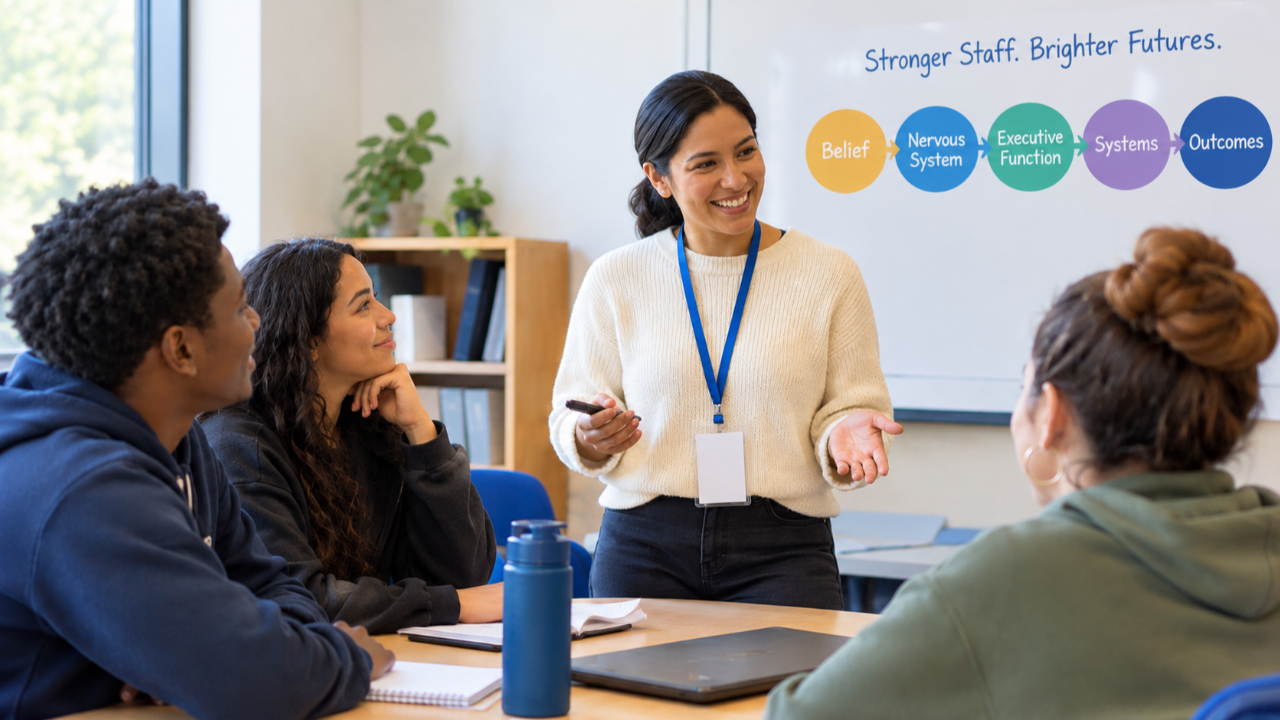
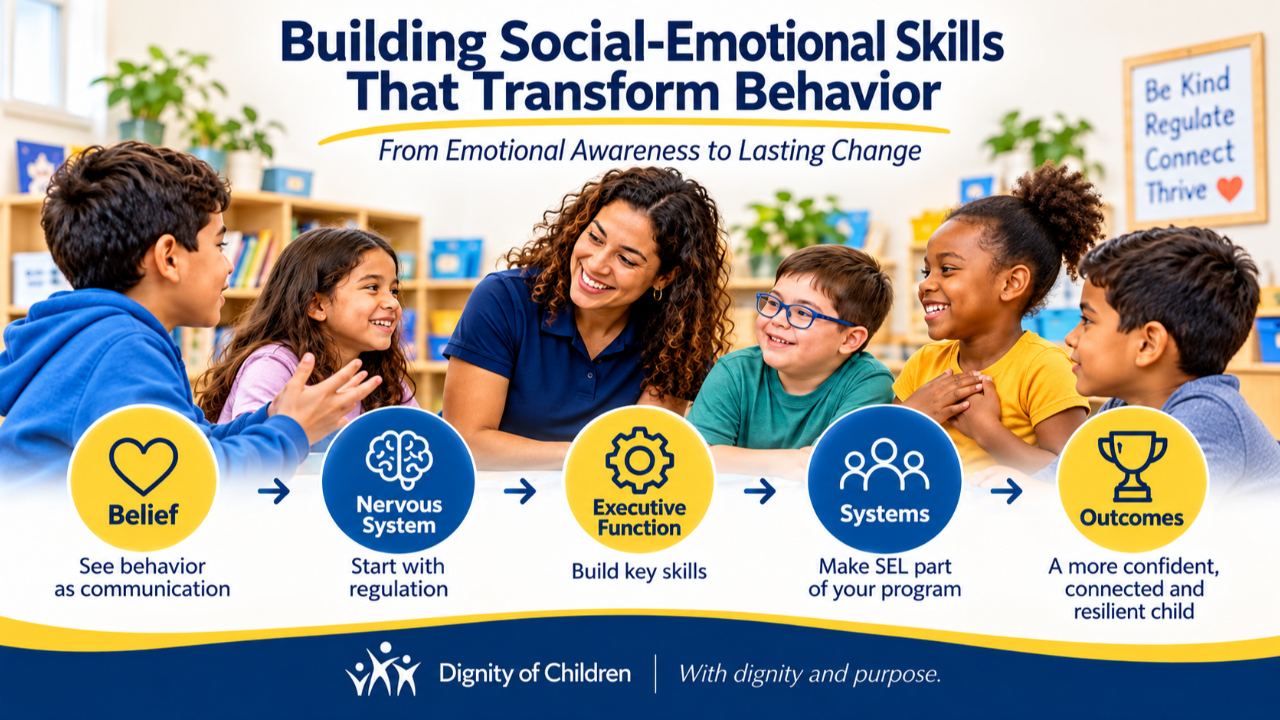
Your team learns to read behavior as communication, regulate before correcting, and build the predictable rhythms that help young people feel safe enough to learn. Trauma-informed practice becomes a way of running a room, not a poster on the wall.

Executive function and youth development.
We train staff to teach the skills underneath behavior: impulse control, planning, working memory, and flexible thinking. These are the executive function skills young people need for school, work, and life, and they grow through practice inside routines you already run.

Neurodiversity-affirming programs.
We help programs design for the edges, not the middle. Autistic, ADHD, and otherwise neurodivergent young people belong without having to mask who they are, and staff learn practical adaptations that help every learner in the room.
Transform your learning culture today!
Whether you're an educator, a school leader, or someone passionate about youth development, we’re here to support you in creating a learning culture where everyone can thrive. Explore our comprehensive professional development offerings and begin your journey with Dignity of Children® today.
TESTIMONIALS

"I really enjoyed this training, it was very insightful and I’ve got useful information."
– Participant, Kips Bay Boys & Girls Club, PD Workshop, June 2024

"The training is really good, its a think tank and an incubator for new ideas while dealing with our everyday experiences."
– Participant, Queen's Community House, Director's Lab, 2021

"The training was excellent and eye-opening to why children with trauma may act and how we can create a better environment for them."
– Participant, RiseBoro, PD Workshop, 2023
Coaching for the weeks after the workshop

Did you know?
Effective educator professional development is crucial for improving student outcomes?
Research shows that ongoing, research-based training for educators has a measurable impact on student academic success.

Stay Ahead in Education: Subscribe to Our Newsletter!
We respect your privacy.


